

Trade With The Wave: Not The Ripple
There is an old saying in markets: “The trend is your frien d.” It is repeated so often that its meaning has almost worn thin. Yet when you peel back the layers, this principle remains the single most reliable underpinning of long-term trading survival.
Like the majority of things trading related, it is straightforward but extraordinarily difficult to execute. Traders continue to find unique and novel ways to sabotage themselves.
The Misinterpretation of Trend
 Most traders, when they first hear the mantra, interpret it in the most convenient way possible: they look for the shortest time frame that aligns with their preexisting opinion and call that “the trend.” A five-minute chart moving higher validates a bullish bias, while the daily or weekly chart may be collapsing.
Confirmation is found not in objectivity, but in the comfort of agreement.
This is self-deception in the service of the ego. Instead of aligning with the genuine direction of the market, traders manufacture a version of reality that flatters their existing view. Confirmation bias is one of the problematic issues that traders face. In general, people don’t want a view that collides with their existing worldview – they want something that confirms it.
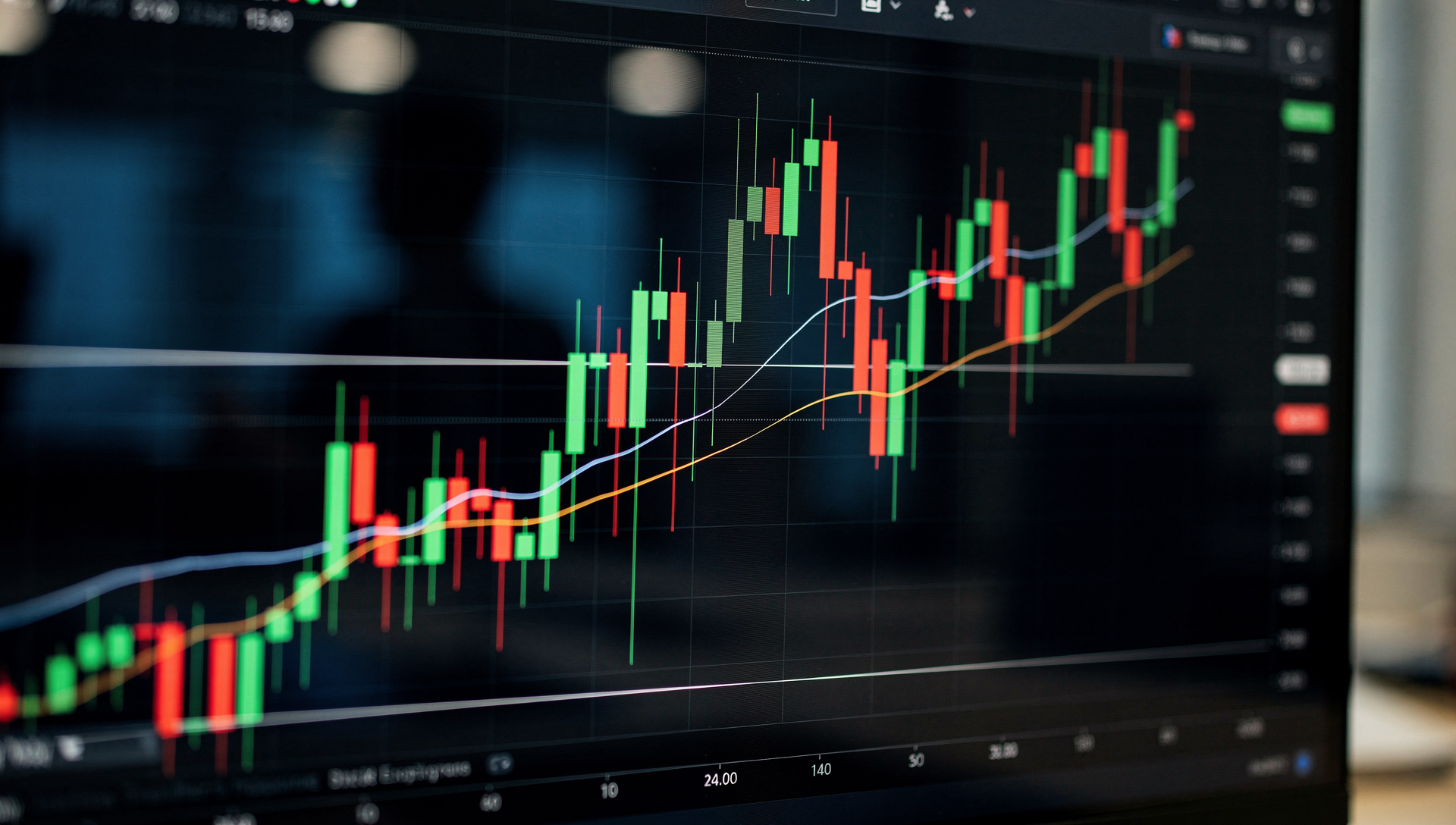
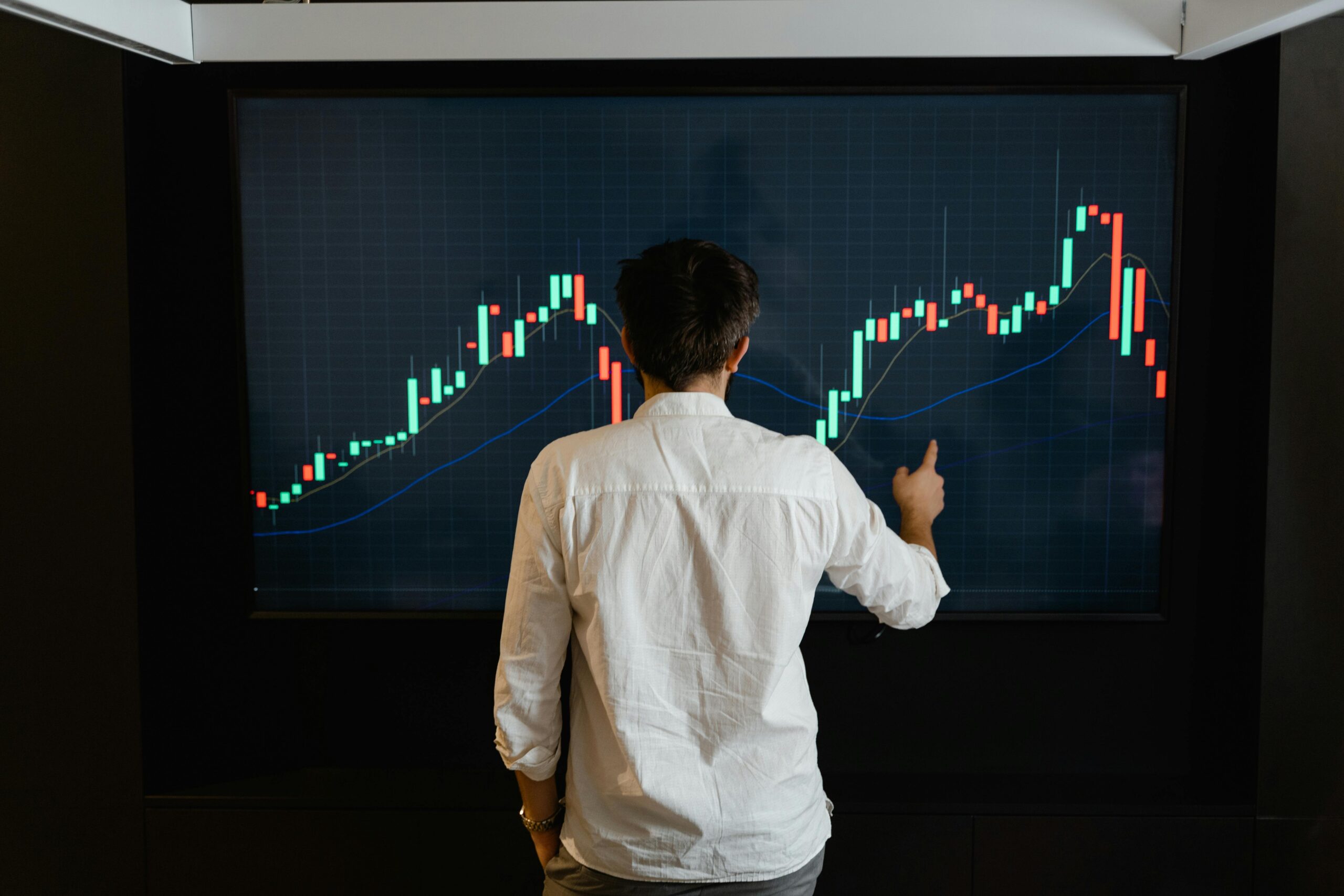
The accurate measure of trend is not the twitch of a single candle but the sweep of the broader tide. It means zooming out, taking the higher time frame seriously, and accepting that your job is not to out argue the market, but to follow it. The history of trading is littered with traders who thought they were smarter than the market.
Simplicity Is the Real Edge
 In my office sits the most effective trading tool I own—not a piece of software, not a proprietary indicator, not a neural network nor AI assistance—but a red couch. With my Bluetooth keyboard in hand, I sit back, scroll through charts, and ask a single question: Is this market going up, down, or sideways?
Trading is a profession of subtraction, not addition. Once you begin to remove those things that clutter price action, you start to get a sense of what is actually happening. The complexity traders often add to their screens is not for clarity, but for comfort. It makes them feel “in control.” But control is an illusion. You are merely a passenger – you decide when to get on and when to get off, but you have no control over the journey.
Why We Resist the Obvious
So why do so many resist this discipline? The reasons are deeply psychological:
-
FOMO (Fear of Missing Out): Lower time frames offer more “opportunities,” but mainly they provide more noise. Traders confuse motion with money. Activity does not equal profitability.
-
Need for Entertainment: Patience feels boring. The longer-term trend requires waiting, sometimes for weeks. Impulse, however, offers the illusion of action.
-
Social Media Pressure: In a world where influencers boast about scalping ticks in absurdly short time frames, traders feel shamed into believing slower, steadier approaches are less legitimate.
Each of these pressures pushes traders toward trading against the tide, or worse, inventing a tide that isn’t there.
The most powerful lies we encounter are the ones we tell ourselves – if we tell ourselves there is something there to trade, then we will end up trading what we hope to see rather than what we see.
Patience Is Free
Jim Rogers once described his approach: “I just wait until there is money lying in the corner, and all I have to do is go over there and pick it up.” The genius is not in timing the market’s every fluctuation, but in the discipline to wait for those rare, obvious moments when the trend is unmistakable.
 I often tell traders: Patience is free. It costs you nothing to do nothing, yet most traders act as if waiting is an expense too high to bear. They cannot sit idly by. They must act, and in acting, they throw themselves against the market’s current rather than gliding with it.
To emphasise how people find it hard to sit with their thoughts and do nothing, it was found that people would much rather endure an electric shock than sit with their thoughts for between 6 and 15 minutes.
Traders would rather take some form of action that is almost inevitably guaranteed to lose money rather than sit and wait.
Trading With the Tide
To trade in the direction of the overall trend is to accept humility. To put it another way, I do not decide what the market should do. I align myself with what it is already doing.
This is simple. This isn’t easy. This is the paradox of trading.


Wonderful humbling, inspiring post.