Complexity Is A Tax On Your Sanity
I came across the title of this article as a quote I heard in passing the other day. I can’t remember the exact source, so I can’t attribute it correctly, but it seemed particularly relevant to trading, so it stuck with me.
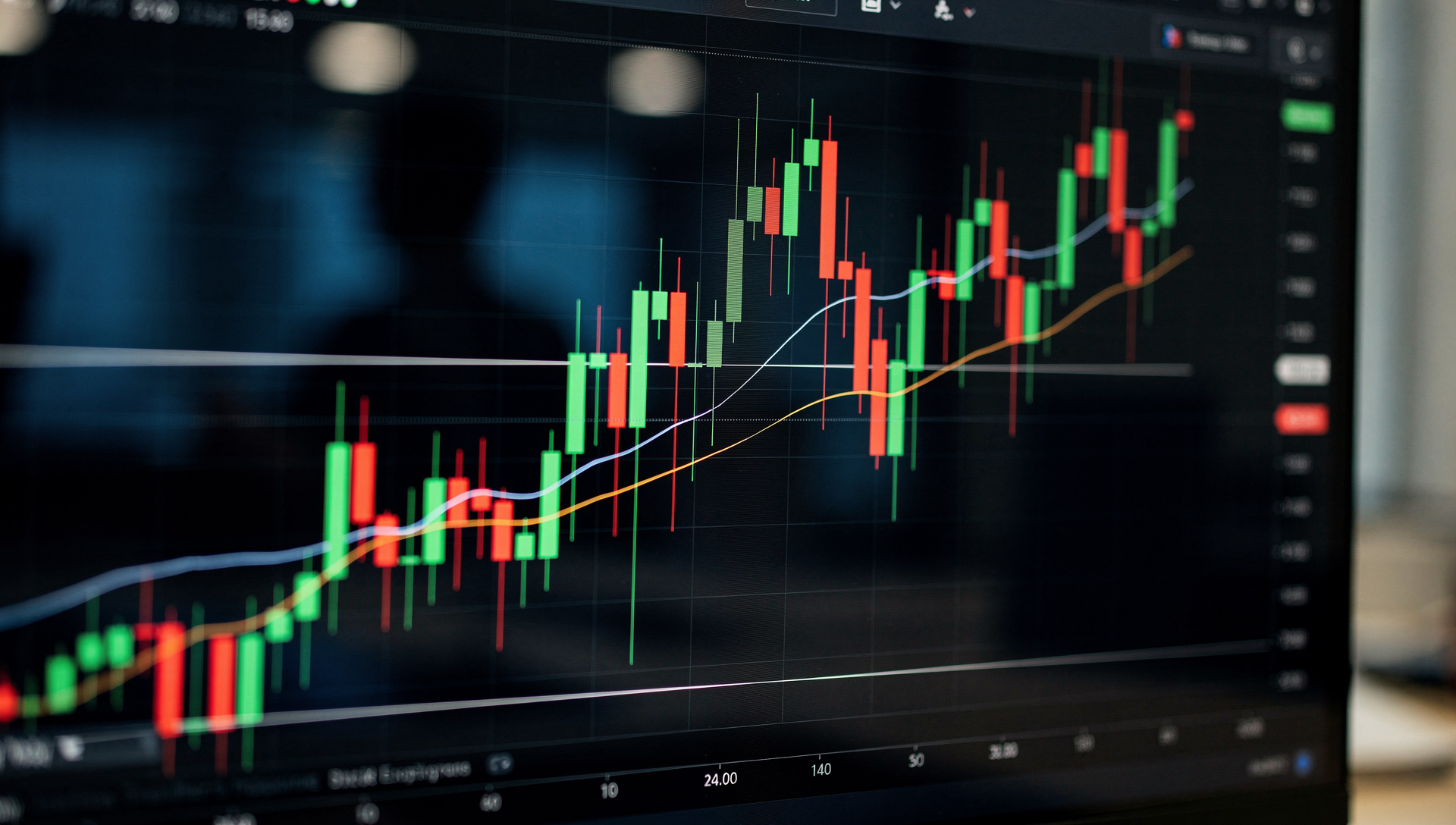
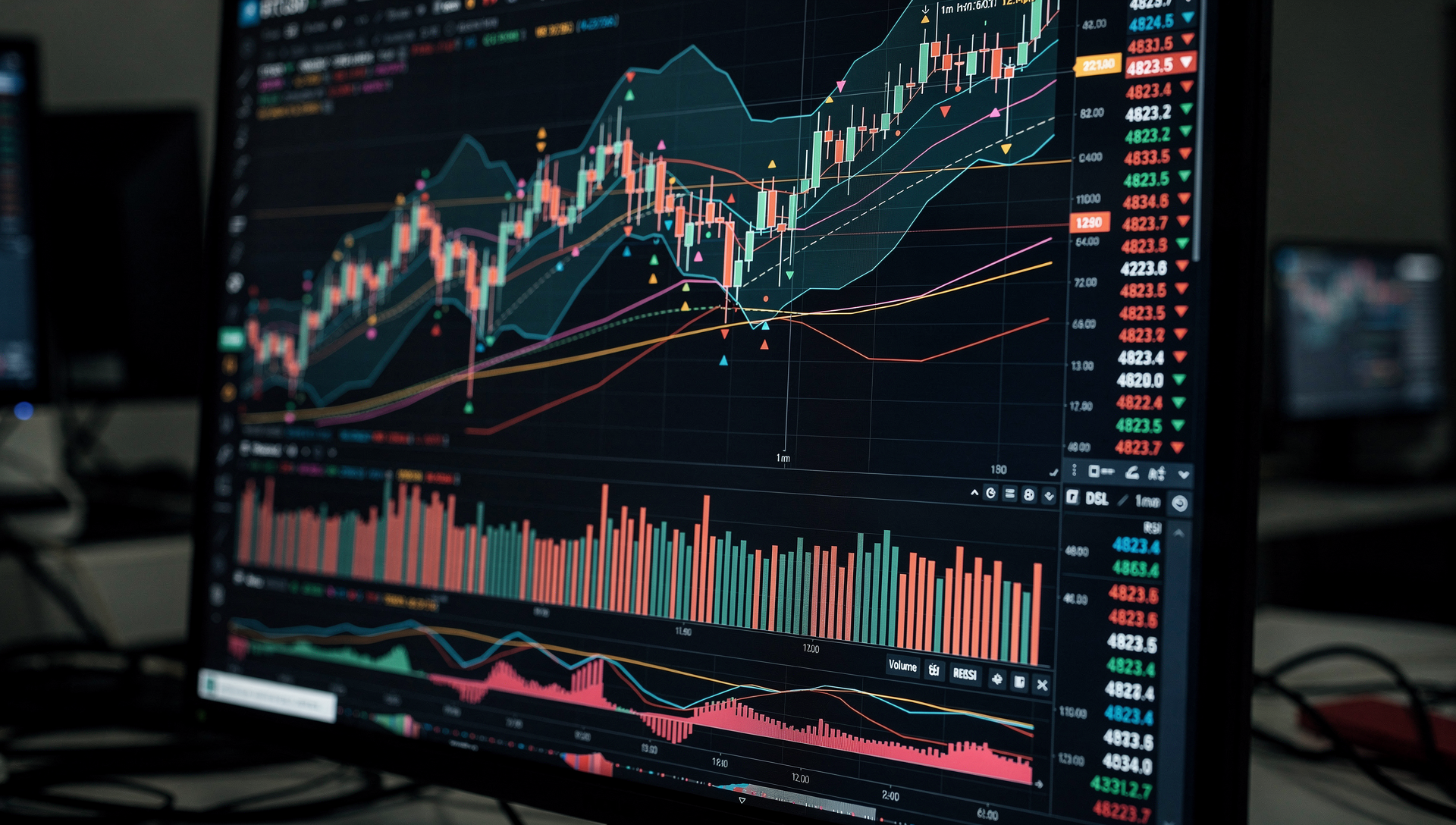
There’s a common assumption in financial markets that more complexity equals more sophistication. Traders — especially those still finding their feet — tend to pile on indicators, add conditional rules, and layer one overlay on top of another, convinced that a more elaborate system must be better. It’s an understandable impulse. It’s also wrong.
 In all systems, be they natural or created, complexity has a real cost. The more variables you’re juggling, the slower and shakier your decision-making gets. Every extra input is another thing to weigh up, another source of doubt, another reason to hesitate at exactly the moment when you need to act. Over time, all that accumulated complexity doesn’t sharpen your trading — it pulls it apart.
 But this isn’t just a technical problem. It’s a psychological one. A lot of traders carry an unspoken belief that the market has hidden structures, and that with enough effort — one more indicator, a few more refinements — they’ll crack the code that everyone else has missed. The problem is that markets are probably the most heavily studied systems on the planet. Institutions with billions in capital, armies of analysts, and cutting-edge computing power are analysing these same markets around the clock. The idea that adding more complexity to your charts will reveal something they’ve all overlooked is, to put it charitably, optimistic.
It is akin to the dimwits who, during the COVID outbreak, believed they had discovered something on Facebook that the most qualified scientists in the world had somehow missed.
 There’s also a more fundamental issue at play: the further you move from price, the more you lose. Price is the most direct, honest expression of what’s actually happening in a market. It already incorporates the expectations and actions of participants across every timeframe and corner of the globe. When traders build indicators on top of indicators — each one a step removed from raw price — they often think they’re gaining precision. More often, they’re just adding noise. The signal gets weaker the more you process it.
 History backs this up. Many of the most durable trading approaches are surprisingly simple. Take the Turtle Trading experiment — it worked not because of sophisticated modelling, but because of clear breakout rules, sensible position sizing, and the discipline to follow the process consistently. That’s not a one-off. Simpler systems tend to hold up better over time because they’re harder to overfit, easier to actually run, and more adaptable when market conditions shift.
There’s also an element of performance involved. Complexity lets traders look the part — to others and to themselves. It signals analytical rigour. But markets don’t care how smart you think you look. They reward execution – you don’t get paid for how clever you think you are. And in practice, the pursuit of a more sophisticated system often becomes a way of avoiding the harder, less glamorous work of just doing the thing consistently.
 What good trading actually requires is a deliberate push toward simplicity. That doesn’t mean having no structure — it means having the right structure. Price stays central. Rules are clear and kept to a minimum. Risk is defined before you enter, not worked out on the fly. Execution is systematic rather than reactive.
 And here’s the uncomfortable part: simplicity is actually harder to stick with. When your framework is stripped back, there’s nowhere to hide. Fewer variables mean fewer excuses. You can’t blame a conflicting signal or an indicator that needed recalibrating. Every decision sits squarely with you. That’s why traders so often drift back toward complexity — not because it works better, but because it offers an excuse – you can simply say the model was wrong.
Complexity doesn’t give you an edge. More often than not, it gets in the way — obscuring the information you actually need while making it harder to execute clearly and consistently. Think of it as a tax. One, you pay not just in money, but in mental clarity, discipline, and psychological steadiness.