
1929 – History Always Repeats
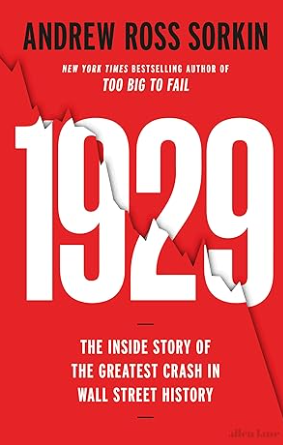 I am currently making my way through Andrew Ross Sorkin’s excellent 1929, a day-by-day account of the events leading up to the 1929 crash. As you would expect, the book is full of big characters who are full of themselves. One aspect of human psychology has always been that bull markets convince people that they are smarter than they actually are. This certainly hasn’t changed in the past 100 years.
I am currently up to early October, and the wheels are starting to fall off the money-making machine that Wall St has become. Making an appearance is Jesse Livermore (if you don’t know who he is, you should). Livermore is cast somewhat in the role of the Greek literary equivalent of Cassandra. Someone who has insights and utters warnings but is not believed.
What is interesting is the mix of Livermore’s notes on how he trades and the persistence of a few core beliefs he holds.
“Don’t trade every day. There are only a few times every year, possibly four or five when you should allow yourself to make any commitment at all.”
 This is an interesting departure from Livermore’s early days in bucket shops, where he started in the late 1800s — venues where you bet on price movements without ever touching a real market. No fundamentals, no forecasts. Just price behaviour. You could think of them as the ancestors of CFDs or spread betting.
However, what he noticed, early and consistently, was that prices move with genuine force very rarely. Most of the time, they grind, chop, and reverse. This is something he comes back to numerous times in the book. Much of his writing is more akin to behavioural finance as opposed to trading.
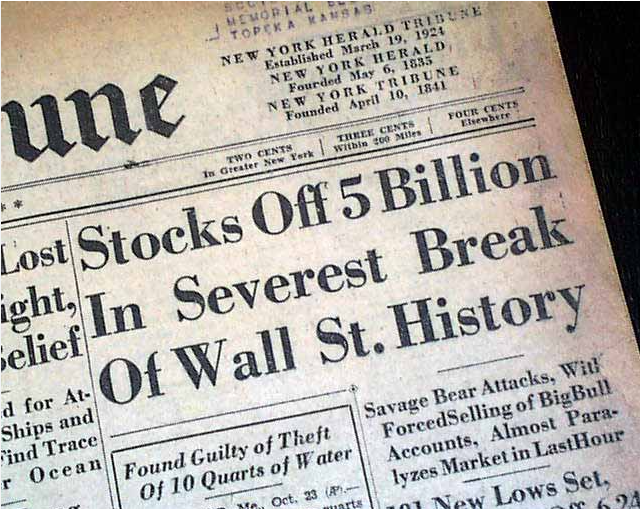 His big wins — shorting into the Panic of 1907, profiting from the 1929 crash — weren’t the product of reading the tape all day. They came from identifying structural breaks in supply and demand and holding a position through them. Those setups don’t appear weekly.
His conclusion: markets don’t pay for effort. They pay for being in the right position at the right time. This is often very hard for new traders to grasp, as they believe that you need to be in the market all the time and that market selection matters little.
Right market, right time wins.
Commodity markets make this even clearer. Unlike equities, which carry a structural upward bias from economic growth, commodities revert. They drift sideways for months, then lurch violently in response to a supply shock, a weather event, or a geopolitical shift. A given market might produce one tradeable trend in an entire year. Possibly none.
If you have blown up your account or damaged your psychology sufficiently that you are not positioned for this trend, then your trading is effectively over for the year.
So the job isn’t to trade more — it’s to understand that process defeats outcome, and part of that process is patience. In practice, trading means three things: sitting out when there’s no clear setup, waiting for the market to confirm a direction before entering, and understanding that a handful of well-timed trades can account for an entire year’s results.
Livermore knew this. He also repeatedly ignored it. His losses weren’t from misreading the market — they came from overtrading when no edge was present. But he was always brutally honest about his failings.
That’s the harder lesson. Identifying that opportunities are rare is straightforward enough. Not manufacturing them when they aren’t there is something else.
Markets produce far more noise than signal. The illusion of constant opportunity is real and persistent, driven by the simple fact that prices always move.
But movement isn’t the same as opportunity.
The trades that matter are distinguished by clarity, persistence, and breadth. They’re not subtle. When a real trend develops, its faily obvious.
Livermore’s point wasn’t that less trading is inherently virtuous. It was that the market’s structure doesn’t support a high-frequency approach over the long run. The edge — when it exists — comes from waiting until conditions actually align, then acting decisively.
That’s a different kind of discipline from the one most traders practice. Not continuous engagement, but deliberate inactivity punctuated by occasional, well-placed action.



I remember Warren Buffett calling it “masterly inactivity” – genius.
I should say that I know that Warren Buffett invests very differently, but I like the quote.