
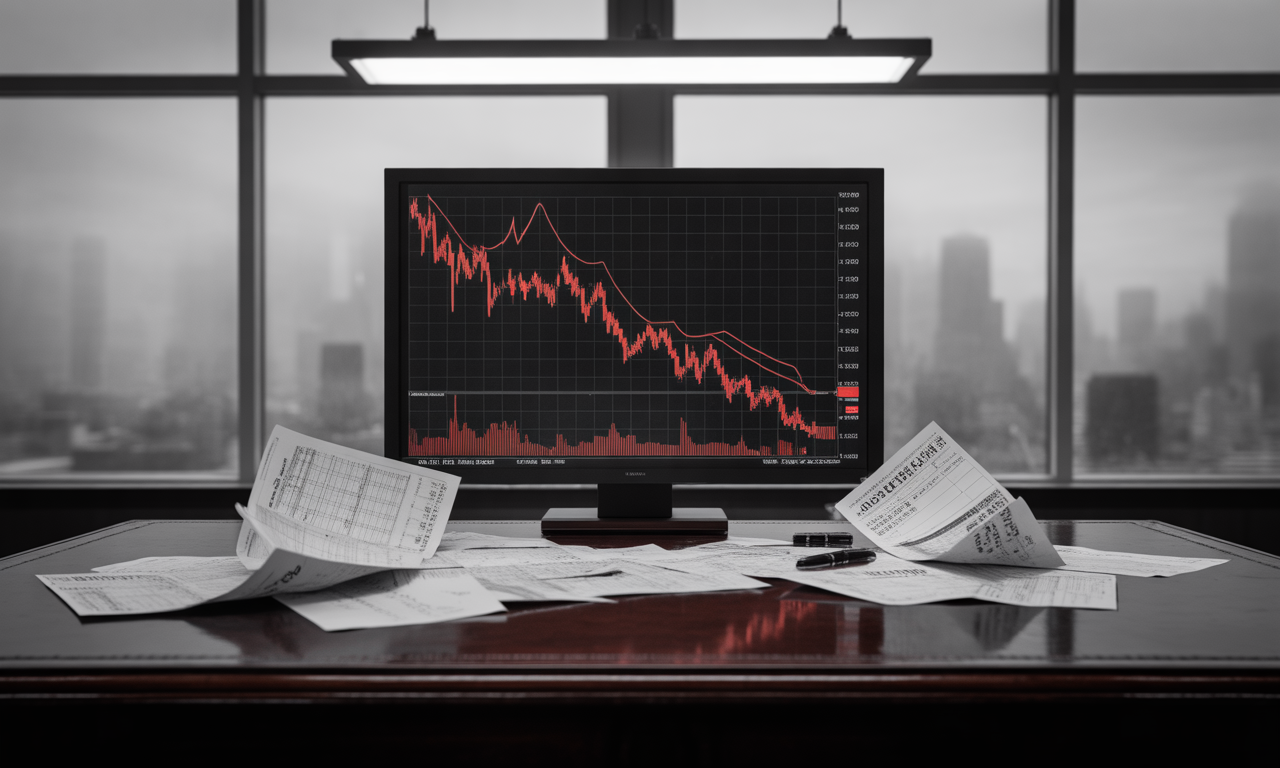
Comparison: The Silent Thief in a Trader’s Mind
There’s a phrase often repeated in self-help circles: “Comparison is the thief of joy.” For most people, it applies to careers, relationships, or lifestyles. For traders, the phrase cuts even deeper because trading is one of the few pursuits where your profitability is constantly measurable, relentlessly comparable, and often judged by yourself more harshly than by anyone else.
When confidence slumps—as it inevitably does for everyone—comparison stops being a neutral lens designed to drive imporvement and becomes an emotional millstone.
The Mirage of Trading Comparisons
Trading creates endless opportunities for the mind to draw false contrasts:
-
A peanut on social media posts screenshots of outsized wins, while you’re grinding through a drawdown.
-
A global index hits new highs while your system’s equity curve meanders sideways.
On the surface, these comparisons appear to be harmless reference points. In reality, they are distorted mirrors. No two traders run identical systems, operate on identical timeframes, or experience identical drawdowns. Measuring yourself against someone else’s performance is like comparing a marathon runner to a sprinter—it misses the point of both.
We also have to factor in that much of what you see on social media is contrived and false. I have written extensively over the years about fake equity curves and trading results. Irrespective of this reality of the numbers offered, they leak into your psyche.
How Comparison Steals Confidence
 The damage isn’t just emotional. Comparison creates structural weaknesses in a trader’s mindset:
-
Identity Threat
When you compare, losses stop being about a system and start being about you. Instead of “my breakout system is in a normal drawdown,” the story mutates into “I’m a bad trader.” The distinction is subtle, but it’s the difference between staying the course and abandoning discipline. -
Process Abandonment
Under pressure, comparison tempts you to copy what’s working for someone else. A trend follower in a losing streak might suddenly lurch into short-term scalping. A system trader might start trading based on news headlines. In both cases, the result is chaos—the slump deepens, and confidence erodes further. -
Erosion of Joy
Trading begins to feel heavy. Instead of curiosity, there’s anxiety. Instead of discipline, there’s envy. Joy isn’t just diminished—it’s stolen outright.
The Antidote: Returning to Process
So how does a trader reclaim joy when comparison has drained it?
-
Anchor to Expectancy, Not Equity Curves
A system with positive expectancy will, over time, deliver results. Whether the last ten trades were winners or losers is irrelevant. Your benchmark is the mathematics of your edge, not the social scoreboard of others. -
Measure in “R”
By framing trades in terms of risk units instead of dollar values, you detach ego from equity. A -1R loss or +2R gain is psychologically neutral. It’s part of the system. Dollars invite comparison; R-values reinforce discipline. -
Accept Slumps as Tuition
Every system, no matter how robust, will go through drawdowns. They are not punishments but the price of admission to future profits. To resent them is to resent the very structure of markets themselves. -
Practice Zanshin
Borrowing from Japanese martial arts, Zanshin refers to a state of calm awareness in the present moment. For traders, it means focusing on this trade, right now, without the baggage of past losses or envy of others’ gains.
 Joy Recovered

Comparison whispers that your worth is relative—that only when you beat the index, outperform the peer group, or mimic the influencer’s P&L are you “enough.” But trading is not a race. It is a private practice, a long apprenticeship to probability.
In the end, joy returns not when you “catch up” to others, but when you remember the only accurate benchmark: Did I execute well today?





An excellent reminder. Thank you.
Thank you this was very insightful. It makes you think… especially as a new trader, very easy to not have the confidence and then compare yourself to others in the field. I appreciate you writing this!