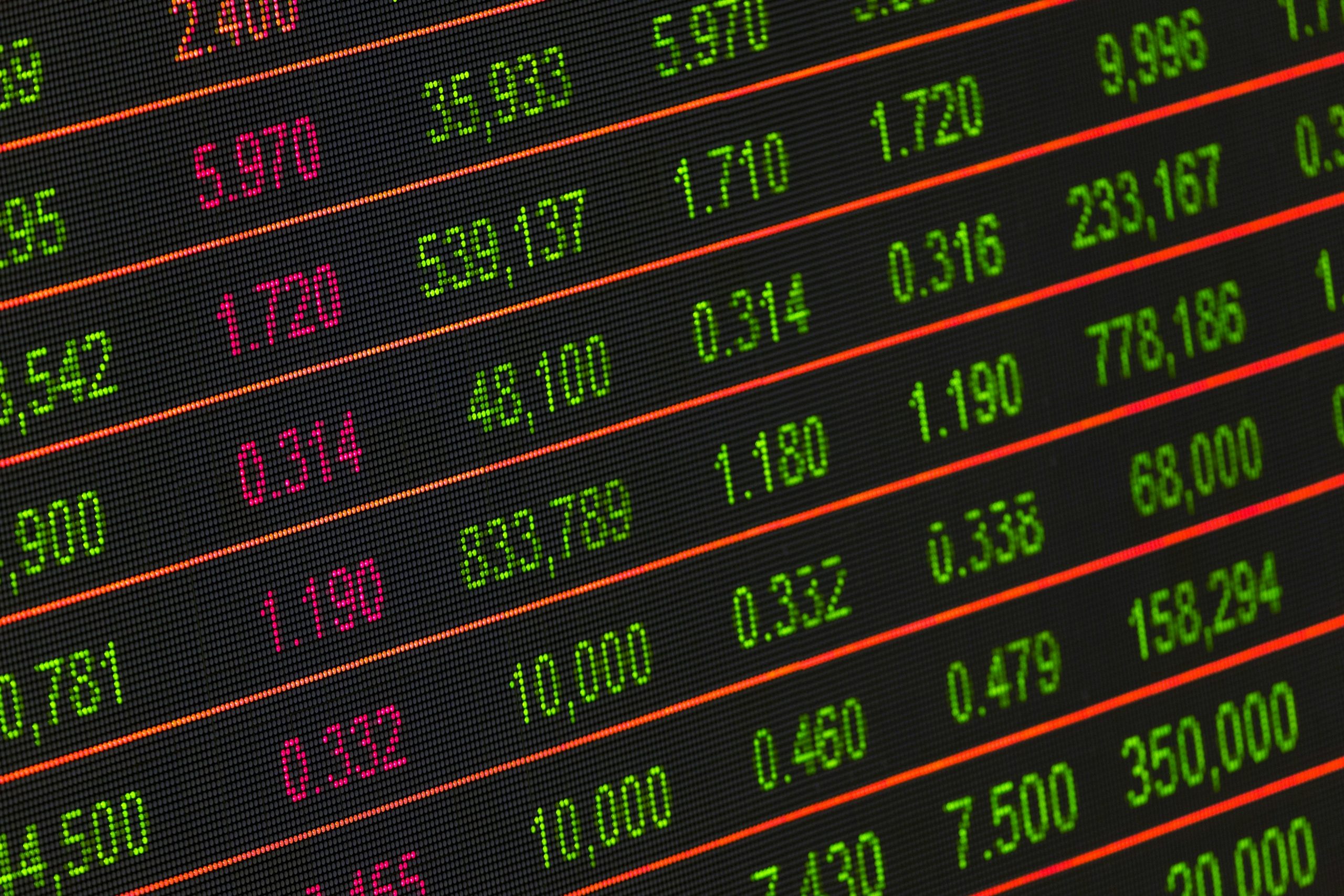
Why Price Action Beats a Screen Full of Indicators
In the world of trading, complexity is often mistaken for sophistication. Charts littered with oscillators, trend lines, moving averages, Fibonacci retracements, and exotic indicators can give the illusion of control. But beneath that clutter lies a painful truth: no indicator can tell you what will happen next.
They tell you what has already happened—filtered, lagged, and smoothed.
What truly matters is price.
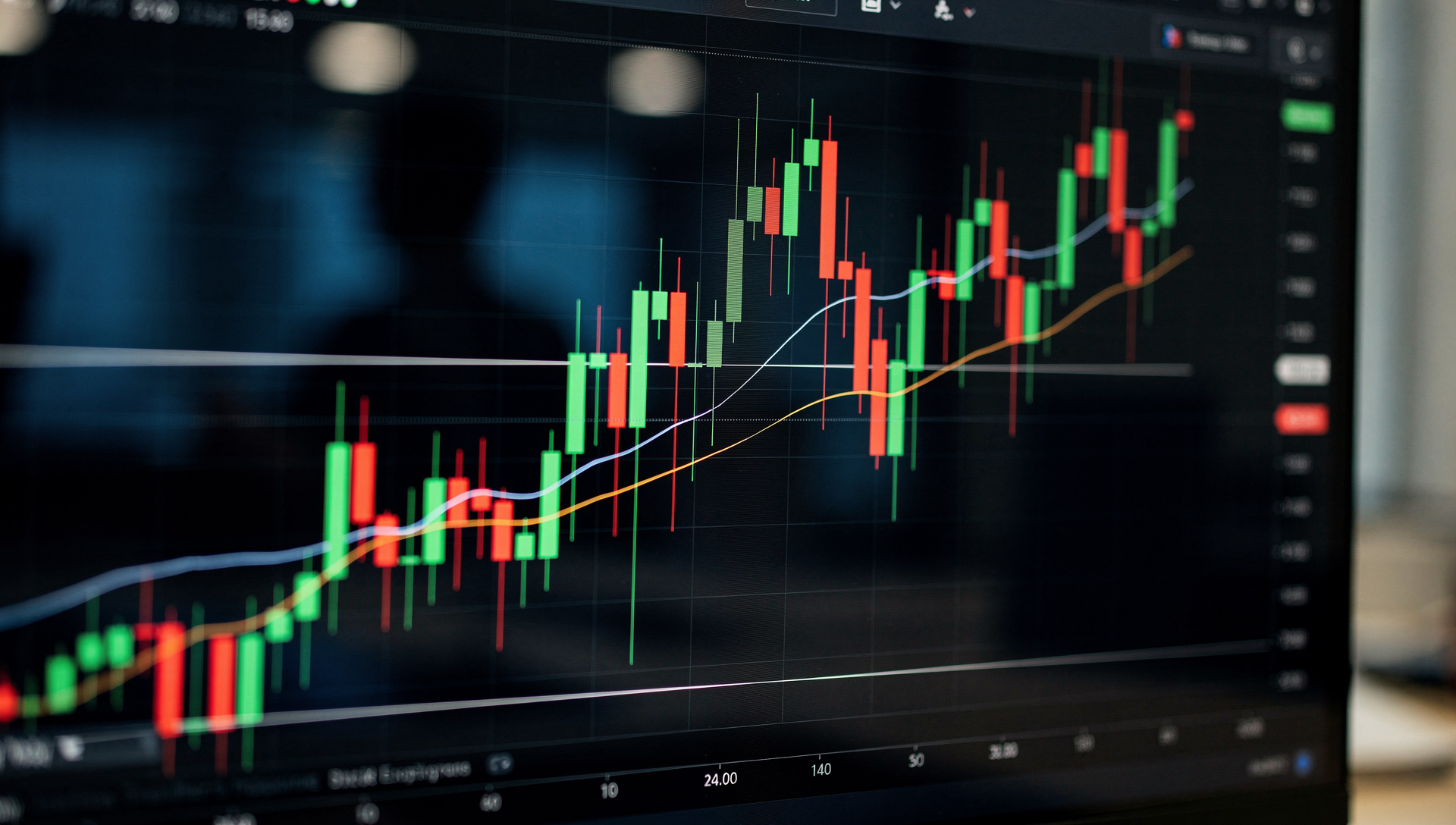
 Price is the only thing that pays you. It is the direct reflection of the collective decisions of every market participant—fear, greed, conviction, doubt—all embedded in price. Learning to read this raw, unfiltered stream of information offers a far more transparent window into the market’s intentions than any derivative indicator ever could.
Understanding price action involves interpreting the story unfolding in real—time: who is in control, whether a move is impulsive or corrective, and whether buyers are absorbing supply or sellers are stepping aside. This isn’t fortune-telling. It’s market fluency.
Most indicators, by contrast, are derivatives of price. An RSI, a MACD, a Bollinger Band—they are all lagging or smoothing mechanisms, designed to provide simplified representations of what price has already told you. You need to ask yourself, Am I filtering the signal or just adding to the noise?
Most traders add indicators to make themselves feel better, rather than to enhance the fidelity of their decision-making.
The real danger lies in the search for the “perfect indicator”—a seductive, endless pursuit that promises certainty in a domain built on uncertainty. This is the siren song that leads traders to paralysis, overfitting, and false confidence. You are either a hobbyist who spends their evenings trawling through internet forums looking for that one perfect indicator, or you are a trader who accepts the imperfections inherent within trading and understands that trading is about psychology, not magic moving averages.
Price action, on the other hand, demands presence. It asks the trader to watch, not just read. It trains the eye to recognise patterns of imbalance, hesitation, absorption, and aggression. It teaches patience. And over time, it cultivates intuition, not magical forecasting ability, but a grounded sense of what the market might do based on what it has just done, in real-time.
 Great traders are rarely great because of the tools they use. They are great because of how they see. Price is the common language of all markets. If you can read the tape, you can adapt to any instrument, any time frame, any regime. If you rely solely on indicators, you are always one false signal away from confusion.
Ultimately, indicators are crutches. Price is the terrain. And when the ground shifts—when volatility spikes or liquidity dries up—it’s not the number of indicators that saves you. It’s your ability to feel the pulse of the market through price itself.