
The Psychology of Sustained Growth
 Trading as a profession presents many dualities – it shows us every day how we are performing, but at the same time, it triggers our psyche to lie to us about the reality of our perceived achievements.
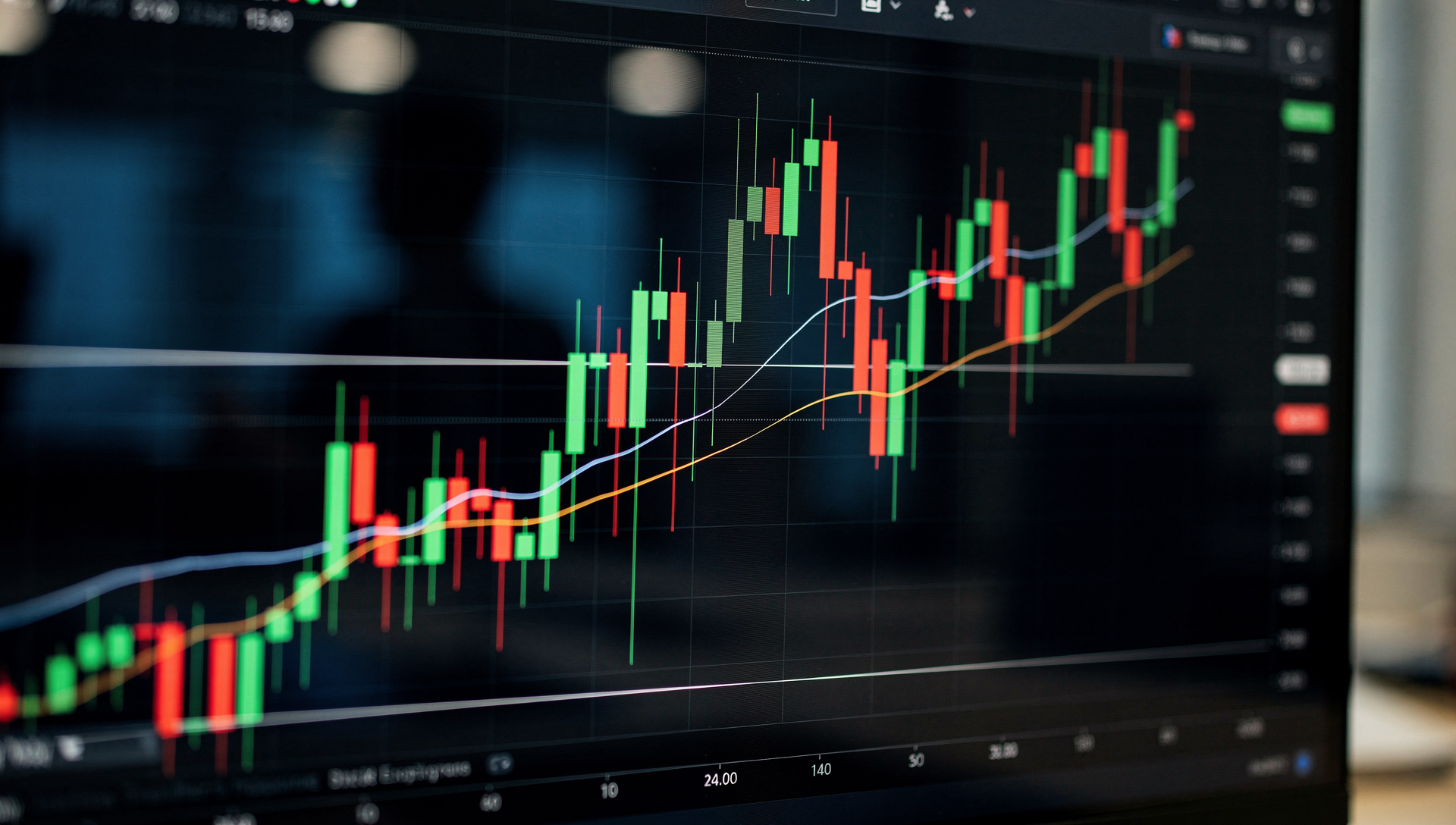
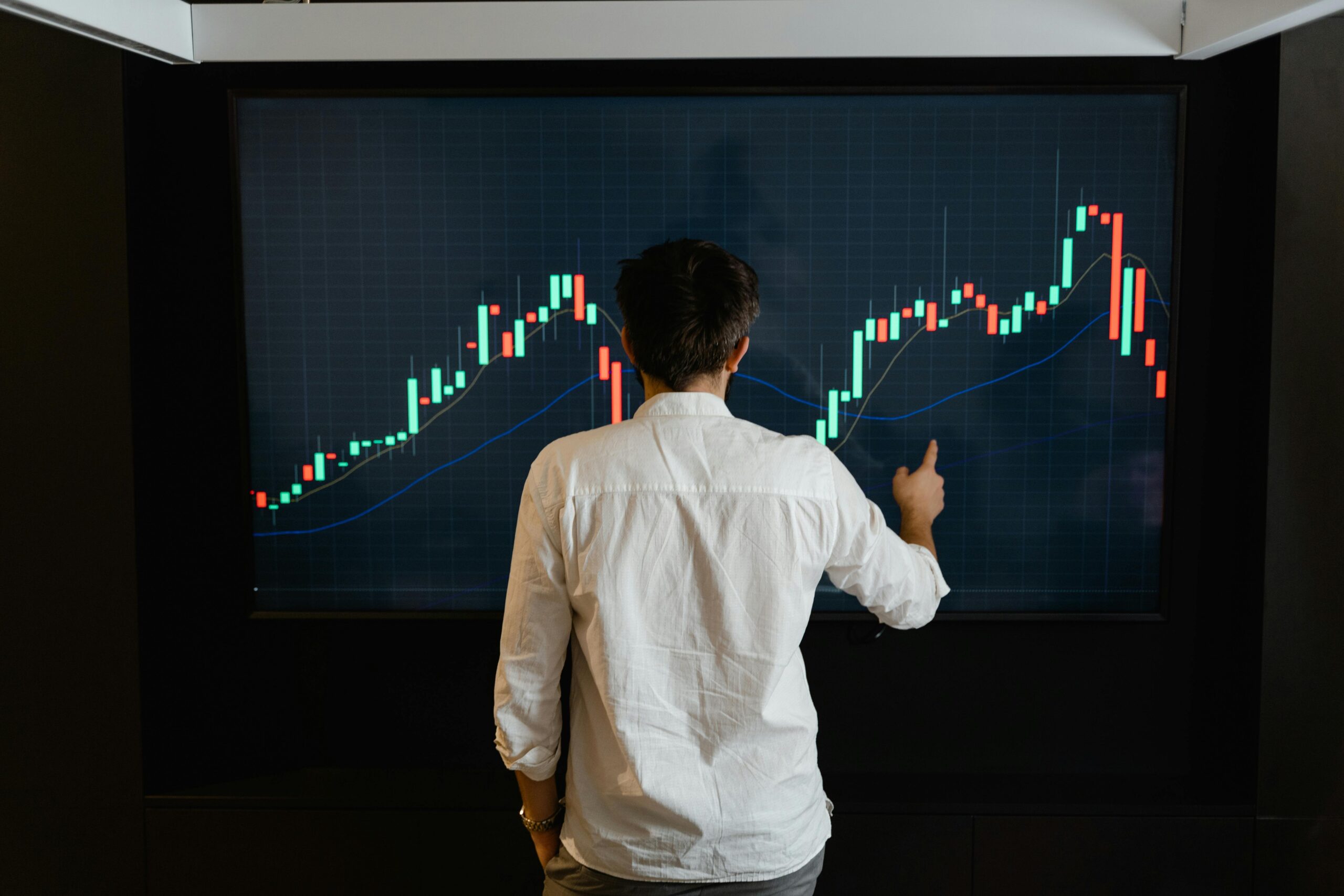
 Recently, I took a somewhat deeper dive into the psychology behind my own trading to find out where the performance limits were occurring. In trading, performance limitations are always psychological—rarely technical. If you have a system that buys new highs in existing uptrends, then you have a functional long-sided system. If it is not working, then it is most likely an operator error. It is not because your moving average is the wrong colour.
This review led in turn to an internal discussion about what is required to reframe my thinking in order to take my trading back to what I considered ot be acceptable.
 It seems to me that progress beyond self-imposed limits is not a dramatic progress – I don’t think it occurs as a dramatic ephiphany that strikes you like a bolt out of the blue in the middle of the night. Rather, is it a series of small reframes that are made repeatedly under conditions of fatigue, ambiguity, and monotony.
My observation has been that those who continue to evolve—professionally, personally, or in the domain of skill acquisition—tend to share common psychological structures, belief systems, and behavioural practices.
What follows is a list for myself.
1. Identity as a Regulatory Mechanism
Individuals who sustain progress tend to orient behaviour around identity rather than fluctuating states such as motivation or mood.
They view action as an expression of self-concept, not as a negotiation with circumstance. The statement “I am a disciplined trader” has more behavioural durability than “I will try to be disciplined.”
This shift transforms persistence from an act of willpower into an act of self-consistency.
Once the individual defines themselves in alignment with a principle, deviation becomes psychologically incongruent.
2. Familiarity with Discomfort
I have long held the view that if your trading is comfortable, then you are probably doing it incorrectly. Trading has to be uncomfortable because we are operating in a domain of profound uncertainty – if this uncertainty doesn’t exist, then you have either failed to understand the risks involved or you have drifted into the emotional minefield of prediction.
Traders don’t seek to eliminate discomfort but rather normalise its presence. They interpret boredom, frustration, and difficulty as signals of adaptation rather than indicators of failure. Over time, this recalibration of meaning creates a kind of emotional neutrality toward challenge.
The distinction is subtle but significant: they are not indifferent to discomfort, but they are not governed by it either.
3. Process Orientation and Lagging Outcomes
Sustained performers exhibit a strong process orientation. They understand that outcomes are delayed reflections of system integrity.
When results deteriorate, their response is diagnostic rather than emotional—they examine the mechanism rather than question their worth.
This orientation converts uncertainty into data and transforms setbacks into feedback loops.
4. Radical Responsibility
The assumption of total responsibility—often termed “radical ownership”—is a defining feature of adaptive individuals.
By refusing to externalise blame, they preserve an internal locus of control.
This does not imply self-recrimination; rather, it reflects a pragmatic understanding that influence diminishes when responsibility is outsourced.
5. Precision in Repetition
Novelty is frequently mistaken for progress. If I change the way my charts look, then I am making progress – in reality, you are tinkering and simply substituting movely and change for the sake of change to avoid the real issues.
In reality, advancement often consists of refining repetition. Repetition does seem to have a power – simply turning up every day is a skill a lot of traders lack. I highlighted this when I wrote about why traders simply fail to turn up and the cost that this imposes.
6. Emotional Regulation and Cognitive Distance
Individuals who persist over time demonstrate a capacity to regulate emotion without suppressing it.
They are able to acknowledge affective states while maintaining cognitive distance from them.
This separation enables decision-making to remain tethered to principle rather than transient mood.
7. Extended Time Horizons
Trading is not winning the lottery – you don’t suddenly wake up one day successful – it is a gradual grind upwards. Durable performers operate with long time horizons.
They understand that significance emerges through duration, not intensity.