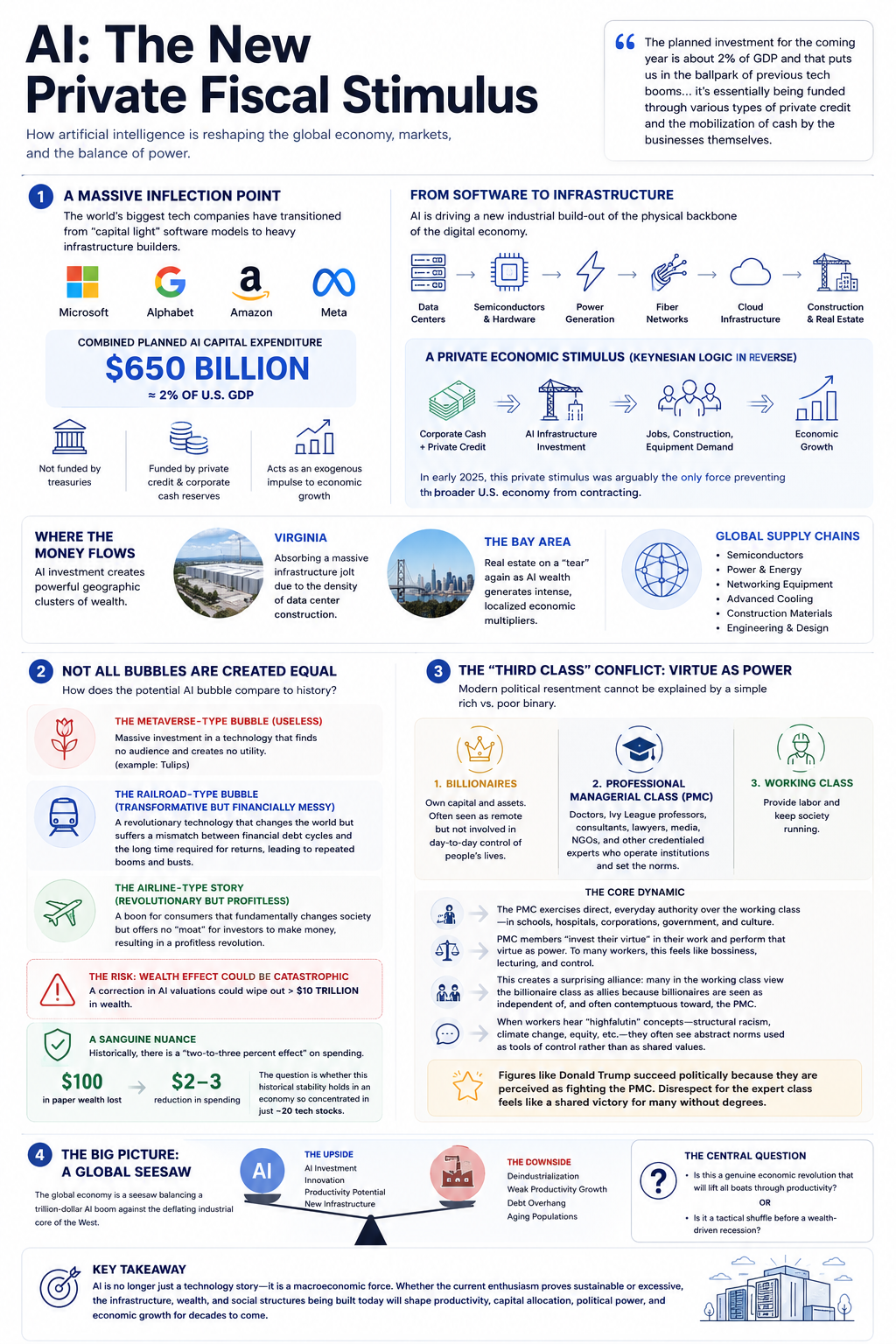
What Is The Difference Between a Tulip and AI
The answer to this is fairly simple. One put an end to the 17th-century Dutch dream of being a global power, and the other may bankrupt staggering numbers of individuals. What prompted this little piece and the accompanying infographic was a quote I heard from a company CEO that his token costs (the cost for using AI )had gone up 45% in a quarter, but productivity inside the company had only gone up 5%
Axious reported that an unnamed US company had received a $500 million bill from Anthropic for Claude tokens. And this seems to be a feature of the AI world – staggering sums of money but not really much to show. Granted, investors in AI companies are doing extremely well, but that’s different from the actual economics of running a business.
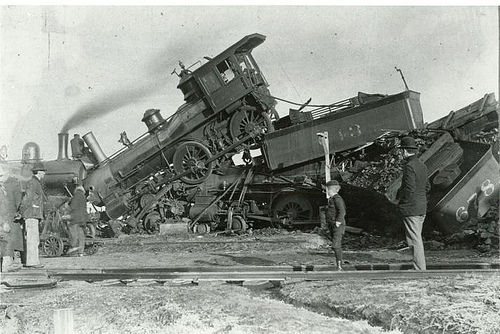
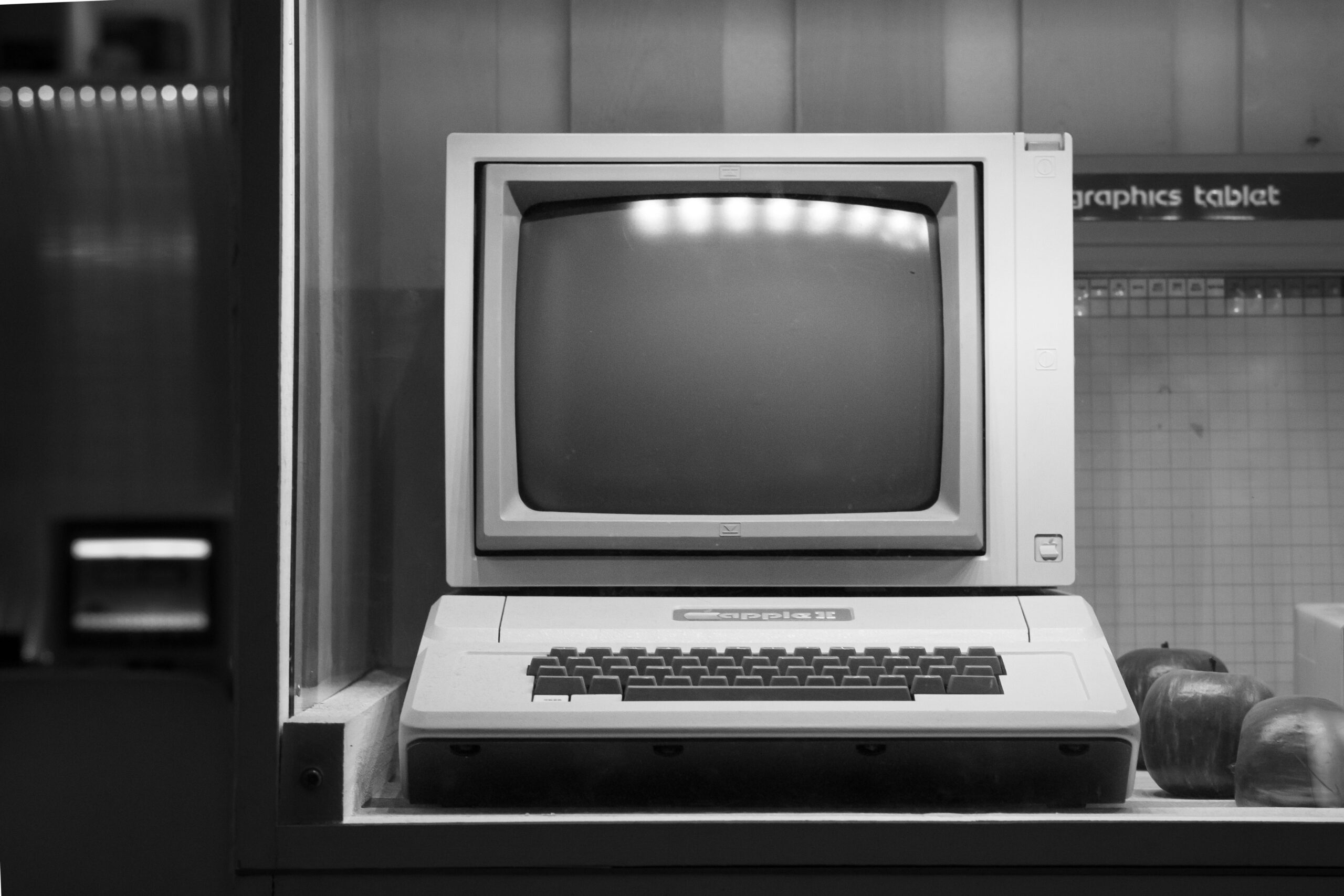
Speculation and hype are different from productive investment, something the Dutch learned the hard way. Sooner or later, AI will have to pay, and even if it does, the speculation will eventually come to an end. However, the ending of speculation does not mean the end of a technology, and this has been the pattern of technological investment for centuries. The UK railway bust of the 1840’s did not see the end of railways. Likewise, the end of the DotCom boom did not see the end of the internet – it merely cleaned out all the dodgy local mining companies that added dot com to the end of their names.