
Take A Good Look In The Mirror
Trading doesn’t require you to be a superstar every second of the trading day. It does require that you pay attention to what you are doing before your impulses overwhelm you.
You can recite the rules of your system chapter and verse and still break them. Here is a simple question for those whose system requires a candle to close before you decide. How many of you have pushed the go button before the candle closes? Or who has closed a position early, even though the system rules say to hold until your stop is hit?
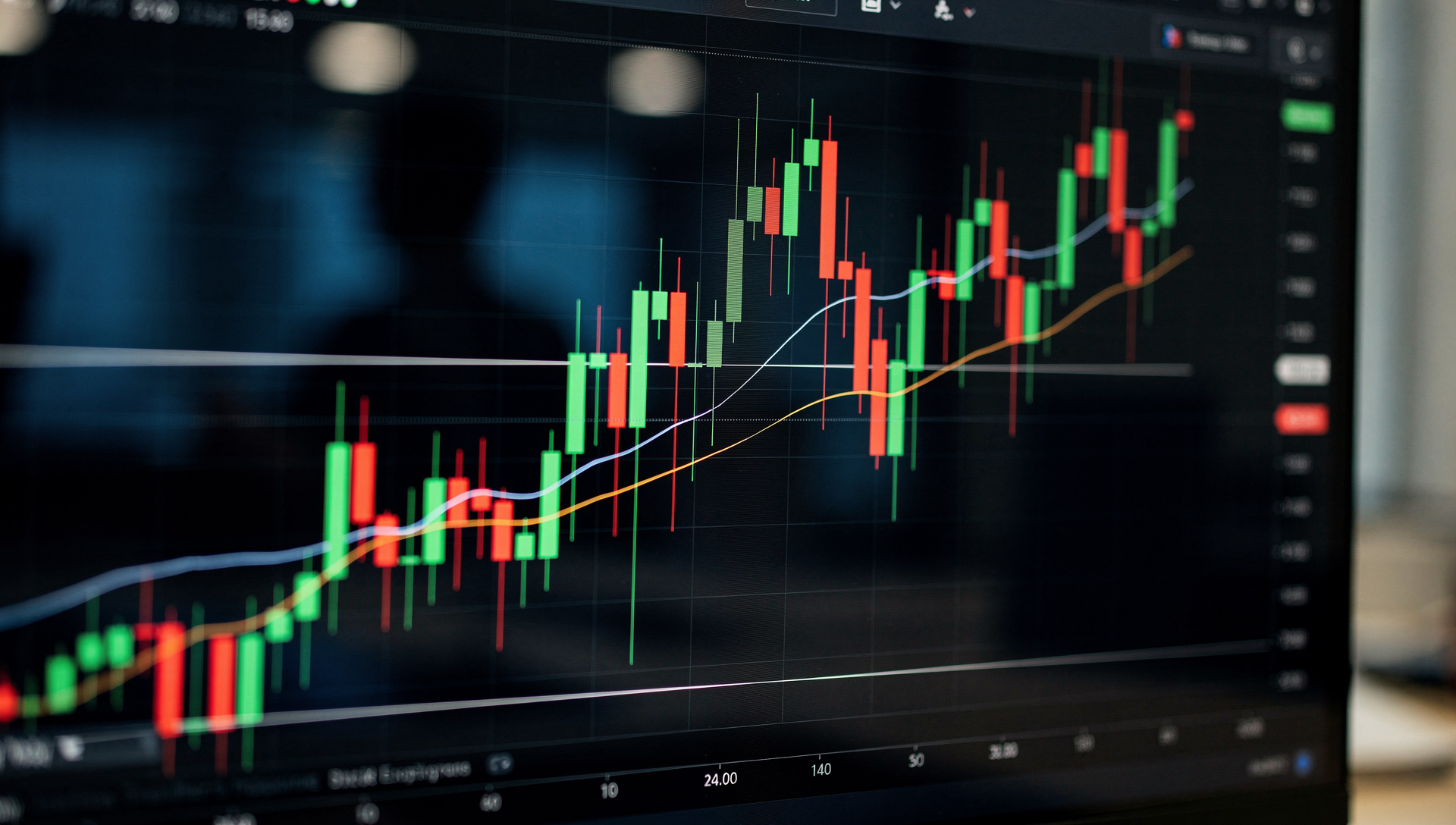
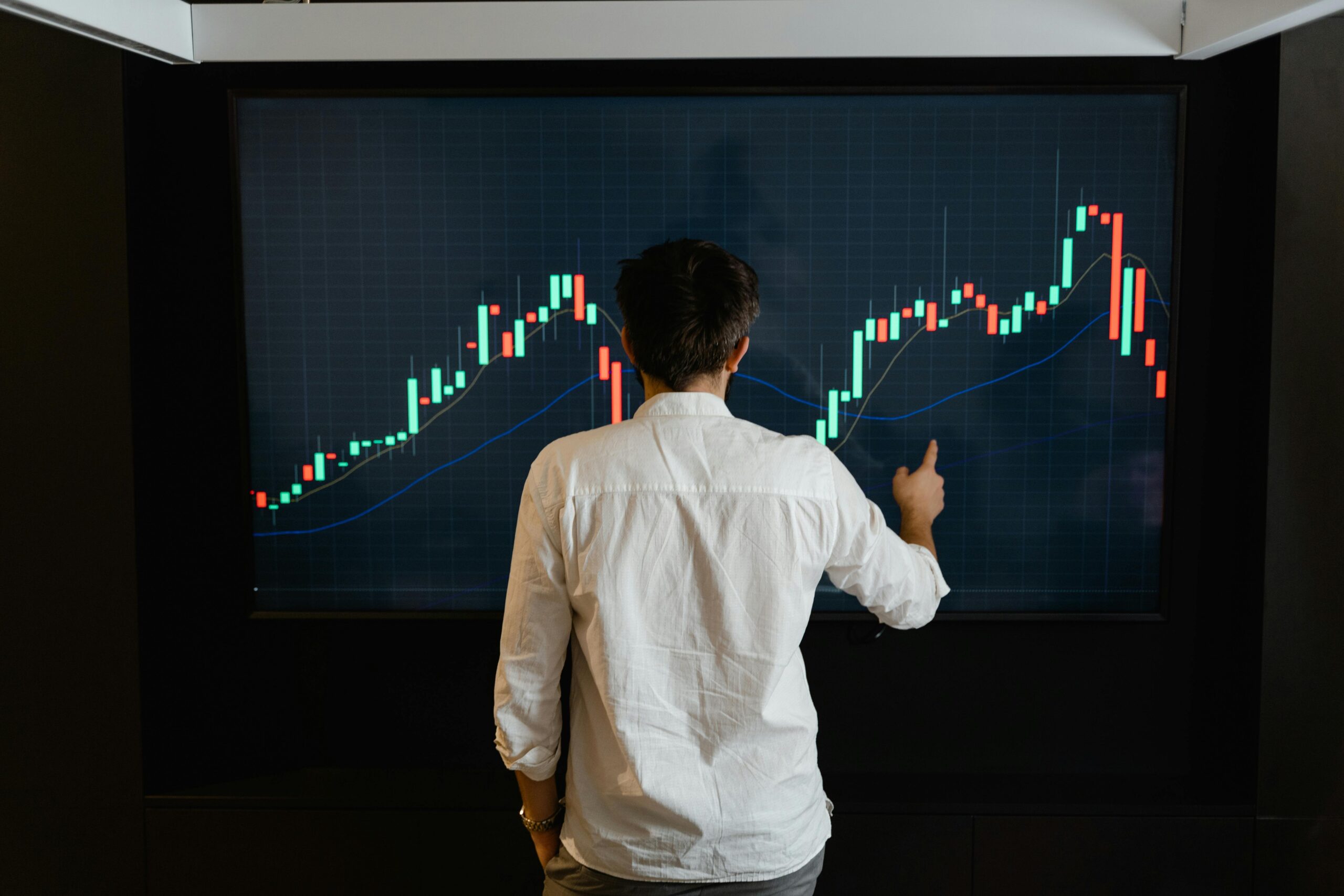
We tend to be quite good at remembering charts and the patterns they show us, but we are not so good at remembering our emotional response to those patterns. This is trading on autopilot, which lets emotional responses overwhelm our tactical judgement. We miss this because we lack self-awareness.
The capacity to step outside ourselves and observe what we are doing and what motivates us is seemingly quite rare.
Looking in the Mirror
 Self-observation gives you a chance to catch the gap between a market event and a decision. Without that pause, a thought like “I’m missing the move” can feel like an instruction rather than a simple, perhaps biased, observation.
All systems need a pause before action. They also need you to ask yourself a simple question: is what I am seeing real, or is it a manifestation of my emotions? Without being able to observe yourself dispassionately, you will never know the answer.
Monitoring by itself does not guarantee better decisions. It is most useful when you have a clear standard to compare against and respond to what the review reveals. In trading, that standard is the written plan: setup, entry, risk, management and exit rules. The journal is the feedback loop.
This distinction matters. The aim is not to stare at every tick or judge every feeling. Excessive checking can create noise, hesitation and overtrading. The aim is to make relevant behaviour visible at the moments when it can still be changed.
The Trader’s Version of Self-Observation
1. Before the session: observe the state you bring to the screen
 Over the years, my training diaries, which have accompanied my gym sessions for decades, have evolved from mangled paper notebooks to fancier digital versions. But they all asked me a simple question before beginning – how do you feel? What state do you bring to the table?
Before looking for trades, record a few words about your condition. Are you rested? Distracted? Frustrated by a previous loss? Excited by a recent winner? Are you under pressure to make money today?
This is not a test of character. It is context. If you know that impatience is high, you can decide in advance to wait for a bar close, reduce screen time or skip a marginal setup. A trader who notices emotional pressure early has more choices than one who notices it after the order is live.
A compact pre-session check might ask:
- What is my energy and focus like today?
- What would make me break my rules?
- What specific behaviour will I watch for?
2. During the session: name the impulse before acting
I have always found that giving things names removes much of their power.
 When an urge appears, describe it without turning it into a verdict: “I want to add because the price is rising,” “I’m afraid this winner will turn into a loss,” or “I want another trade because the last one lost.” Then check the rule.
If the setup qualifies, execute. If it does not, stand aside. A feeling can carry useful information about your state, but it is not a signal. Price and the system determine whether to trade.
This is where observation becomes control—not control over the market, but control over whether an impulse is allowed to choose your next action.
3. After the trade: review the decision, not just the result
 A profitable trade can be poorly executed. A losing trade can follow the plan perfectly. If the review focuses only on dollars, it teaches the wrong lesson: that outcomes alone tell us whether a decision was sound.
Process is the teaching tool.
Record what you saw, what you felt, what the rules required, what you did and whether the action matched the plan. Keep process quality separate from trade outcome. Over a meaningful sample, look for patterns: Do you cut winners short after a large open profit? Do you widen stops after entering? Do you chase breakouts late in the session? Do you increase size after a loss?
The purpose is not to build a catalogue of personal flaws. The goal is to find one repeatable behaviour you can address with a specific rule or environmental change.
Your journal is a mirror – it is not a courtroom to beat yourself about the head with. It is designed to be a chronicle of observations that you can reflect upon.
Observation without overreaction
Self-awareness can be misused. If you spend your entire day waiting to feel overwhelmingly confident, you may wait for certainty that never arrives. Trading is a profession of uncertainty – you can only be certain about your process and your emotional reaction to price movements.
The goal is not some form of trading nirvana. It is not to eliminate fear, excitement or doubt. It is to notice those experiences and avoid confusing them with instructions. A rules-based trader can feel anxious and still take a valid setup, or feel confident and still reject a trade that does not qualify.
For example, as I write this, I am watching a gap open in a position I am following; for me, gaps are high-ranked signals, and my results show they have a very high chance of follow-through. Despite this, I am still anxious – data doesn’t overcome being human.
Self-observation is a skill that improves through repetition. Start with one behaviour and record it for the next 20 trades. The point is not that attention creates trading talent or guarantees accurate decisions. You cannot reliably improve a behaviour that remains invisible. Notice the impulse. Compare it with the plan. Record what happened. Then make one measured change.